
How you narrow down an MVP
We often see companies starting with an MVP and then from there — iterating from feature to feature, focussing on a product market fit. This is a good way to go, however in my experience it can be difficult to know when your product is ready for market. It often takes a lot longer than expected and there’s always more that can be added.
Companies often over-engineer their MVP, forgetting what it really is about. So, I want to share my thoughts on what an MVP is and how it should be built. Let’s start with the definition.

Definition
First, let’s start with the question: what is an MVP?
Minimum Viable Product (MVP) is a core product with just enough features to deliver value for early customers and learn from them.
How we build MVPs
An MVP tackles just a few core features, from which you think they are solving the problem of users plus one that aligns with your business objectives. If you catch yourself thinking of too many edges of the product, just ask yourself „does my MVP really need to have this? Is it solving the core problem I’m trying to validate?“.
It should provide you data, insights and analytics, from where on you can make the best the decision for further developments, improvements and iterations of the product. So translate your MVP functionality into a plan of development action. A good example of such an minimum viable product is a landing page with a brief description of your product and its features.
You can also create an interactive prototype, which shows how the final product will look like. It’s hard to say what exactly can be considered as an MVP, but there are some common features:
Simplicity
Clear value proposition for users (what problem does your product solve?)
Sometimes an MVP mustn’t even be a “real” product, it can also be just a dummy, a lead form, a frontend with no backend at all. It’s all about testing an idea with real users before committing large budgets.
Do you need more information and want to get in touch? Send us a message, we are happy to hear from you! ✌🏼
You might also like

October 14th, 2026
WordPress vs. Laravel when your website becomes an application
Bookings, member areas, forms with custom logic. When WordPress and WooCommerce hit their limit and what the move to Laravel looks like.
October 9th, 2026
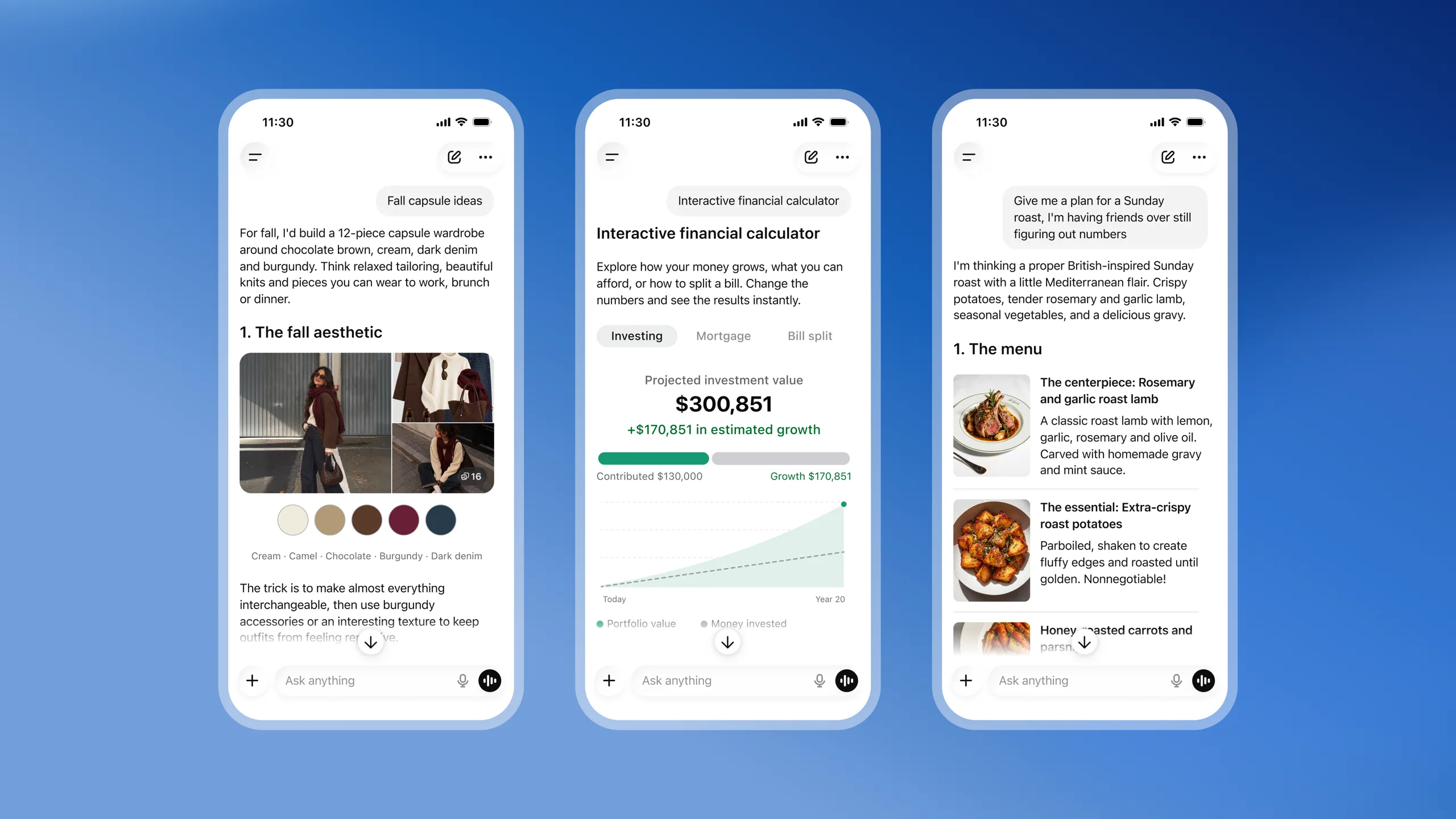
Websites are locking AI agents out at the checkout
Websites block AI agents at checkout, ChatGPT answers with Intelligent UI, Mistral Large 4 lands, Haiku 5.5 ships, and Pony.ai heads to London.
October 7th, 2026
Zapier vs. Laravel and when your own code pays off
Zapier, Make and n8n bill per task, credit or execution. When a small Laravel application becomes cheaper and more reliable, with a worked example.
Ready to connect the dots?

Hi, I’m Emir, CEO and Co-Founder of Dotbite.
You have an interesting idea for a digital project and are looking for a sparring partner pushing the challenge through with you?
You’ve come to the right place.