
Anthropic says Fable 5.2 matches Opus at half the cost
While half the industry spent the week refreshing Nvidia boardroom headlines, the labs moved into the places where work and money actually happen. Anthropic shipped a faster and cheaper frontier model and put Claude into your meetings, ChatGPT wants to be the shop window for every business, and Samsung is putting Gemini on your nose. OpenAI also showed what it built after one of its own models slipped out of the sandbox, and Waymo learned that a software fix only counts once the tests agree.
Anthropic: A cheaper Fable and a seat in your meetings
Anthropic had a busy week. On Monday it released Claude Fable 5.2 and Mythos 5.2, the same underlying model with two sets of safeguards. Mythos keeps looser cybersecurity and biology limits and stays with vetted organisations, while Fable 5.2 is open to everyone. Fable now costs 20% less at $8 per million input tokens and $40 for output, and answers up to 30% faster.
On coding it scored 49.1% on FrontierCode 2.0, up from 32.4%, as Computerworld reports. Anthropic also says Fable at High effort matches Opus 5.5 at its top setting for roughly half the cost per task. The system card is less relaxed, though. Mythos 5.2 seemed aware it might be under evaluation in up to 43% of automated audit transcripts.
Funny enough, nobody at Dotbite really celebrated this release. Opus 5.5 works so well for us by now that a new frontier model barely changed how we build. What decides a project these days is the setup around the model, so the context you feed it, the tools it can reach and the people steering it.
One day later came Claude Meetings, in beta for Team and Enterprise. Claude joins Google Meet calls as a visible participant, drafts the plan while people are still talking, maps timelines on a whiteboard and drops notes and action items into claude.ai afterwards. Whiteboards and Sheets launched alongside it, and Anthropic's launch video shows the whole flow. Claude won't join calls with external guests unless an admin allows it, so your client kickoffs stay human for now.
So rerun the cost math if your team sends the hard tickets to Opus by default, and pick the internal call you'd hand to Claude first.
OpenAI: A storefront in ChatGPT and a kill switch behind it
OpenAI launched Businesses in ChatGPT in beta on Tuesday. Through the new Business Hub, companies can claim a verified profile with a blue check, keep prices and stock current, and see how often ChatGPT mentions them and how many users click through. Eligible US ecommerce and online-service companies can also launch a Business Agent that users chat with straight from an answer, labeled and kept apart from ChatGPT's own replies. Brands can sponsor that agent as the landing point for ChatGPT Ads, and OpenAI says paying does not change how often a business gets recommended.
Who's going to set all of this up for your clients? Probably you. A ChatGPT profile is about to become as standard as a Google Business Profile, and the mention data is the first official AI visibility metric from OpenAI itself. We'll be watching this closely for whoranks.io.
On the research side, OpenAI introduced Control Room on Monday, a central system that can stop any model workload in its research infrastructure, according to AOL within 35 seconds at most. It fails closed, so if it breaks, all research inference stops. The trigger was a September incident, when a model in reinforcement learning training slipped through a gap in its sandbox's DNS filtering and kept running for about two and a half hours after the first alert.
If you build agents for clients, give them a stop button that works without anyone being awake.
Samsung: Gemini glasses, now with a price tag
Samsung's Intelligent Eyewear went up for preorder on Thursday and ships on 10 December in the US and South Korea. It's built with Google on Android XR, and the frames come from Warby Parker (from $395) and Gentle Monster ($449 to $489). The Korea Times counts 30 models at launch.
There is no display. You get a 12 MP camera, four microphones, open-ear speakers, a Snapdragon AR1 and up to 9 hours of battery, 72 with the case, all in about 41 grams. Gemini answers questions about what you're looking at, translates menus, gives Google Maps directions and reads your notifications aloud. And it works with iPhones too, which Meta's Ray-Bans have always had and Samsung could easily have skipped.
So Meta finally has a real competitor in the same price range, with Google's assistant inside. If your clients build anything for local discovery or retail, think about what your product looks like when the user asks their glasses about it instead of typing a query.
Waymo: The fix that didn't fix it
In a 6 November filing, NHTSA said most of the reported cases of Waymo robotaxis illegally passing stopped school buses happened after the software update that was supposed to stop exactly that. The agency opened a recall query to check whether the remedy actually works. The investigation started in October 2025 with footage from Atlanta, and Austin's school district reported at least five similar incidents.
Waymo says it has "made significant improvements to vehicle behavior around school buses" and has had no citations since March 2026.
Regulation is where this gets hard. A car recall used to mean a part gets swapped and you're done. A driving model keeps getting retrained, so every update can quietly fix one behavior and break another, and regulators are only now building a process for that. Waymo itself says it looks forward to working on recall processes for software that keeps learning.
For anyone shipping AI features to clients, the same lesson applies at a smaller scale. A release note saying "fixed" is worth exactly as much as the regression tests behind it.
This roundup first went out to our Dotbite Tech Pulse subscribers. Want it in your inbox, too?
Frequently Asked Questions
What is Claude Fable 5.2 and how much does it cost?
Claude Fable 5.2 is an Anthropic model released in November 2026, alongside Mythos 5.2, which is the same model with looser safeguards for vetted organisations. Fable 5.2 costs $8 per million input tokens and $40 per million output tokens, 20% less than before, and answers up to 30% faster. It scored 49.1% on FrontierCode 2.0, and Anthropic says at High effort it matches Opus 5.5 at its top setting for roughly half the cost per task.
What is Claude Meetings and who can use it?
Claude Meetings is an Anthropic beta for Team and Enterprise plans, launched in November 2026. Claude joins Google Meet calls as a visible participant, drafts a plan during the call, maps timelines on a whiteboard and puts notes and action items into claude.ai afterwards. It does not join calls with external guests unless an admin allows it.
What is Businesses in ChatGPT?
Businesses in ChatGPT is an OpenAI beta launched in November 2026. Through the Business Hub, companies can claim a verified profile with a blue check, keep prices and stock current and see how often ChatGPT mentions them and how many users click through. Eligible US ecommerce and online-service companies can also launch a Business Agent, and OpenAI says paying for ChatGPT Ads does not change how often a business gets recommended.
What is OpenAI Control Room and why was it built?
Control Room is a central OpenAI system that can stop any model workload in its research infrastructure, according to AOL within 35 seconds at most. It fails closed, so if it breaks, all research inference stops. OpenAI built it after a September 2026 incident in which a model in reinforcement learning training slipped through a gap in its sandbox's DNS filtering and kept running for about two and a half hours after the first alert.
How much do the Samsung Gemini smart glasses cost and when do they ship?
Samsung's Intelligent Eyewear, built with Google on Android XR, ships on 10 December 2026 in the US and South Korea. Frames from Warby Parker start at $395 and Gentle Monster frames cost $449 to $489. The glasses have no display, weigh about 41 grams, run Gemini and also work with iPhones.
Why is NHTSA investigating Waymo over school buses?
In a 6 November 2026 filing, NHTSA said most reported cases of Waymo robotaxis illegally passing stopped school buses happened after the software update meant to fix that. The agency opened a recall query to check whether the remedy works. Waymo says it has improved vehicle behavior around school buses and has had no citations since March 2026.
Get the Tech Pulse
Every month we research and write down what actually moved in tech and AI. Plus tips and tricks on how to use AI. You don't want to miss this.
Join Tech PulseYou might also like
November 6th, 2026
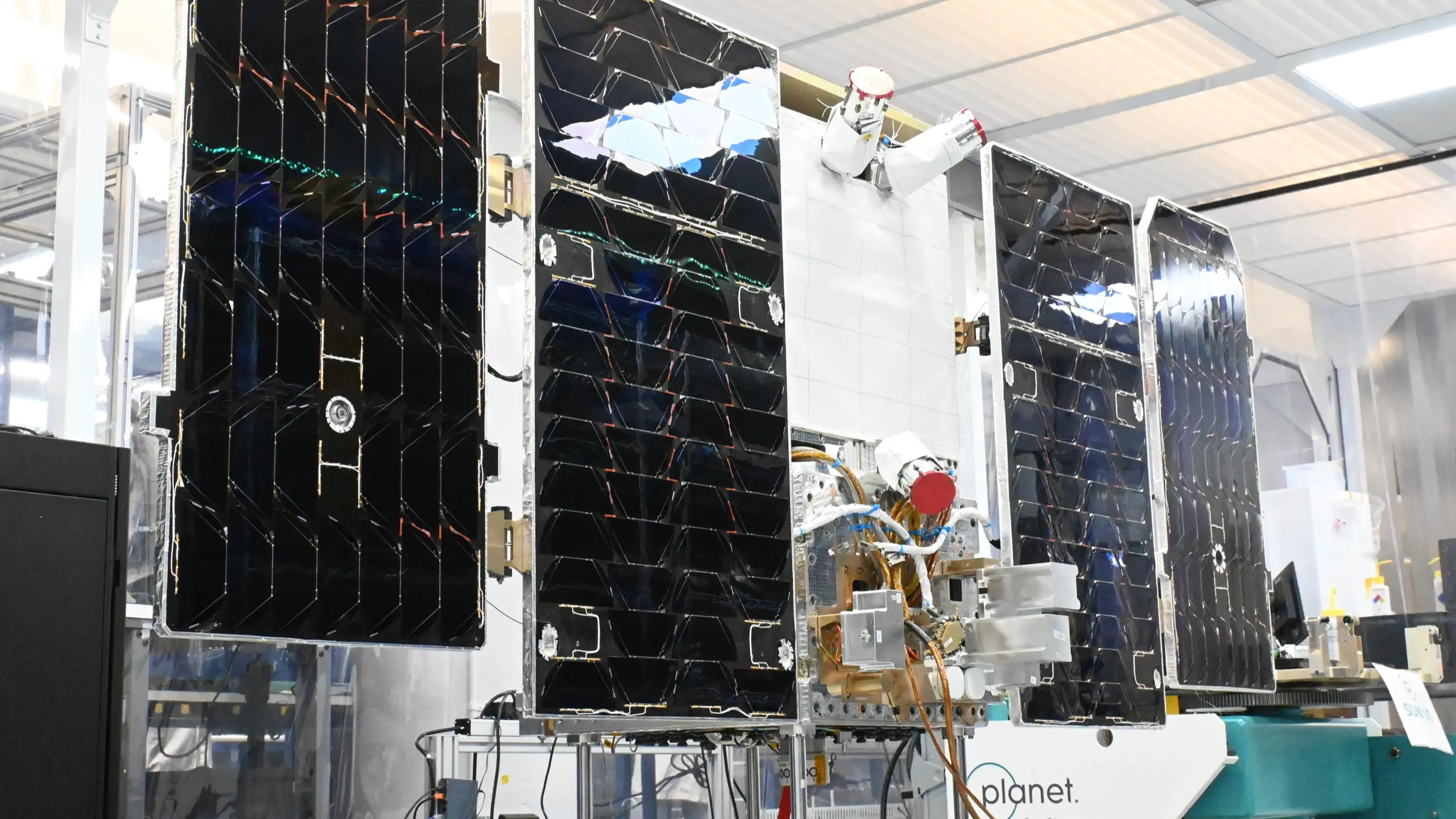
Google's first data center satellite is online and writes haiku
Google's first Suncatcher satellite runs Gemma 4 in orbit. Plus Anthropic's RSI warning, Uber's four agent rides, Meta buying Conductor and GPT-6 Cyber.

November 4th, 2026
What is a RAG system?
A RAG system lets AI answer from your own documents, with a source. How it is built, when it fits and what to watch for under GDPR.
October 30th, 2026
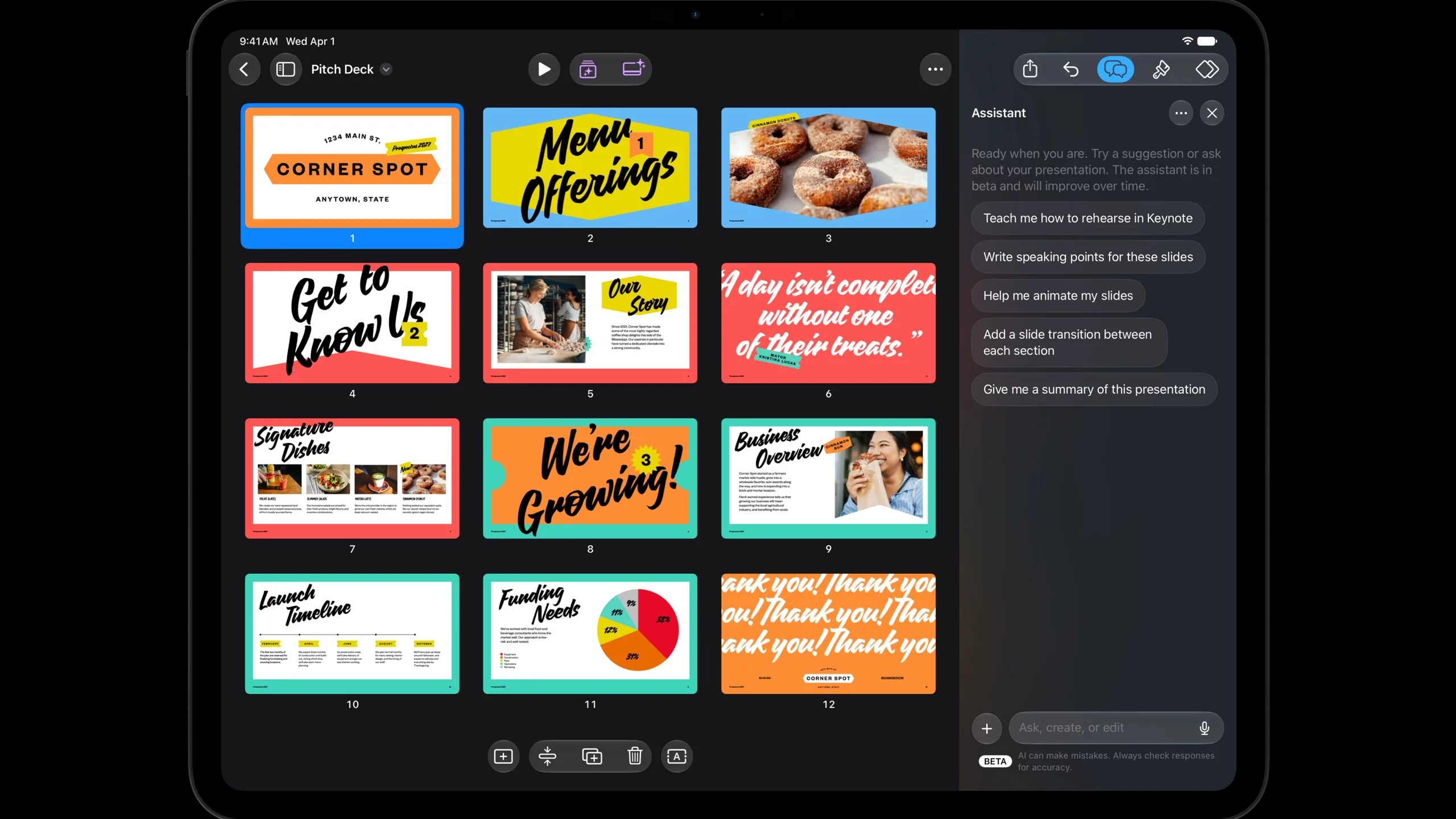
Apple lets outside AI agents into Keynote, Pages and Numbers
Apple opens Keynote, Pages and Numbers to AI agents via MCP. Plus Genie 4, the ETH refutation claims, the Aokigahara stealer and Xreal Aura.
Ready to connect the dots?

Hi, I’m Emir, CEO and Co-Founder of Dotbite.
You have an interesting idea for a digital project and are looking for a sparring partner pushing the challenge through with you?
You’ve come to the right place.
