
Claude Duet keeps working after you close the laptop
Software acts on its own a lot more than it did a week ago. Anthropic shipped Claude Duet, an agent that keeps working after you close the laptop. AI models helped dig two critical holes out of PHP that had been sitting there since 2004, Replit moved its default agent from Claude to OpenAI, Recursive put a free coding model on the laptop, and Tesla's Optimus line in Fremont is now running.
Anthropic: Claude Duet never clocks out
Anthropic announced Claude Duet on 21 October, an always-on agent that runs on its own cloud computer and keeps going after you close the app. It watches your email and calendar, sends a morning brief, drafts replies and follows up on threads that went quiet. Bigger jobs like research briefs, financial models or slide decks land in a separate Make tab.
It uses the same memories, skills and connectors as regular Claude. It also hooks into Stripe to chase unpaid invoices, and it asks before it sends, pays, signs or deletes anything. 9to5Google has a hands-on video if you want to see it in action.
Right now it's a research preview for US Pro and Max subscribers, by waitlist, and background work counts against your plan limits. Team and Enterprise come later.
Anthropic is aiming at the same crowd as ChatGPT Dots and Meta Muse. For agencies, the invoice chasing alone is a reason to get on the waitlist.
PHP: Two critical holes from 2004, found with AI models
The NSA warned on 21 October about two critical flaws in PHP that give attackers access to a server's file system or a connected database. They've been in every version since PHP 5 from 2004. OpenAI says its GPT-5.6 Sol helped find one of them through its "Patch the Planet" effort, and Wiz used its Atlas agent together with Gemini 4 Argon and GPT-5.6 Sol to turn up more. TechCrunch leaves open whether those finds are the two the NSA named.
The fix is PHP 8.5.12. PHP 8.1 and older are out of support, so no patch is coming for them. The NSA says a site that can't be patched right away should go offline until it can. WordPress points to PHP itself, so the patching happens on the server and your hosting company has to be involved.
PHP runs roughly 70 percent of the web. So if you look after client sites, check today which of them still sit on an old stack.
Replit: Quietly swaps Claude for OpenAI
Replit CEO Amjad Masad said at TechCrunch Disrupt that Replit is no longer working with Anthropic, and Replit Agent now defaults to OpenAI models. Claude is still in the model picker. His reasoning was cost, benchmarks and the strength of the OpenAI relationship, summed up as "I think ChatGPT is better now."
Replit itself calls this "model agnostic", and an insider told TechCrunch the Anthropic partnership is still in place. TechCrunch also found Replit promoting Claude models only weeks ago. So take the official framing with a grain of salt.
Most users never touch the default. If you or a client built something on Replit Agent, its behavior may have shifted under you.
Which model does your client's product depend on, and who decides when that changes? Pin it, test it after every switch and put it in the contract.
Recursive: Flint is a coding model that fits on your laptop
Recursive, the self-improving AI startup led by Richard Socher, released Flint on 21 October. It's a free mixture-of-experts model under Apache 2.0 with 40 billion parameters, of which 2.5 billion are active at a time, and it runs locally and offline.
Recursive claims about 131 tokens per second on an M4 Pro MacBook Pro, against 58 to 69 for comparable models. It also says Flint beats other models under 50 billion parameters on SWE-Bench Verified. These are company numbers. Wired's Will Knight ran it on a 48 GB Mac and said it handled his requests every time, though Recursive admits it needs smaller steps than the big paid assistants.
The company also says its Eureka Machine, an automated research system, helped with nearly every step of building the model. Nobody has checked that claim independently.
A local model with no usage fees, where client code never leaves the machine, is a nice thing to have around. We'll see if it holds up on a real codebase.
Tesla: Optimus line is running, Cybercabs go on sale by year end
In its third-quarter shareholder letter, Tesla said it has started producing Optimus at its Fremont factory. The bots coming off the line are "the first production-quality bots that we have manufactured." No volumes, no delivery dates.
On the earnings call Tesla also said it will sell Cybercabs to customers by the end of 2026, starting small. Every Cybercab built so far goes into Tesla's own robotaxi fleet. NHTSA opened an investigation in September into how Tesla certified a car with no pedals and no steering wheel, and unsupervised FSD for customers slipped to Q2 2027.
If both dates hold, fleet buyers get an autonomous Cybercab before Tesla owners get a self-driving Model Y. Tesla timelines have a track record, so we'll find out soon enough.
This roundup first went out to our Dotbite Tech Pulse subscribers. Want it in your inbox, too?
Frequently Asked Questions
What is Claude Duet and who can use it?
Claude Duet is an always-on agent from Anthropic, announced on 21 October 2026. It runs on its own cloud computer, watches email and calendar, sends a morning brief, drafts replies and chases unpaid invoices through Stripe, and it asks before it sends, pays, signs or deletes anything. It is a research preview for US Pro and Max subscribers by waitlist, and Team and Enterprise come later.
Which PHP versions are affected by the critical flaws the NSA warned about?
The NSA warned on 21 October 2026 about two critical PHP flaws that give attackers access to a server's file system or a connected database. They are in every version since PHP 5 from 2004. The fix is PHP 8.5.12, and PHP 8.1 and older get no patch because they are out of support.
Why did Replit switch Replit Agent from Claude to OpenAI?
Replit CEO Amjad Masad said at TechCrunch Disrupt in October 2026 that Replit Agent now defaults to OpenAI models, citing cost, benchmarks and the strength of the OpenAI relationship. Claude is still available in the model picker. Replit calls the change "model agnostic", and an insider told TechCrunch the Anthropic partnership is still in place.
What is Recursive Flint and can it run on a laptop?
Flint is a free coding model from Recursive, released on 21 October 2026 under Apache 2.0. It is a mixture-of-experts model with 40 billion parameters, 2.5 billion of them active at a time, and it runs locally and offline. Recursive claims about 131 tokens per second on an M4 Pro MacBook Pro, against 58 to 69 for comparable models.
Has Tesla started producing the Optimus robot?
Yes. In its third-quarter 2026 shareholder letter Tesla said it has started producing Optimus at its Fremont factory and called them "the first production-quality bots that we have manufactured." Tesla gave no volumes and no delivery dates.
When can customers buy a Tesla Cybercab?
Tesla said on its third-quarter 2026 earnings call that it will start selling Cybercabs to customers by the end of 2026, starting small. So far every Cybercab built goes into Tesla's own robotaxi fleet. NHTSA opened an investigation in September 2026 into how Tesla certified a car with no pedals and no steering wheel.
Get the Tech Pulse
Every month we research and write down what actually moved in tech and AI. Plus tips and tricks on how to use AI. You don't want to miss this.
Join Tech PulseYou might also like
October 24th, 2026
What Is a Forward Deployed Engineer?
What a Forward Deployed Engineer does, where the role comes from, when it pays off for your AI project, and whether to hire one or bring in a team.
October 21st, 2026
Power Apps and Retool vs. Laravel for internal tools
Power Apps and Retool charge per user. When a custom Laravel application pays off for your internal tool, with prices and a worked example.
October 16th, 2026
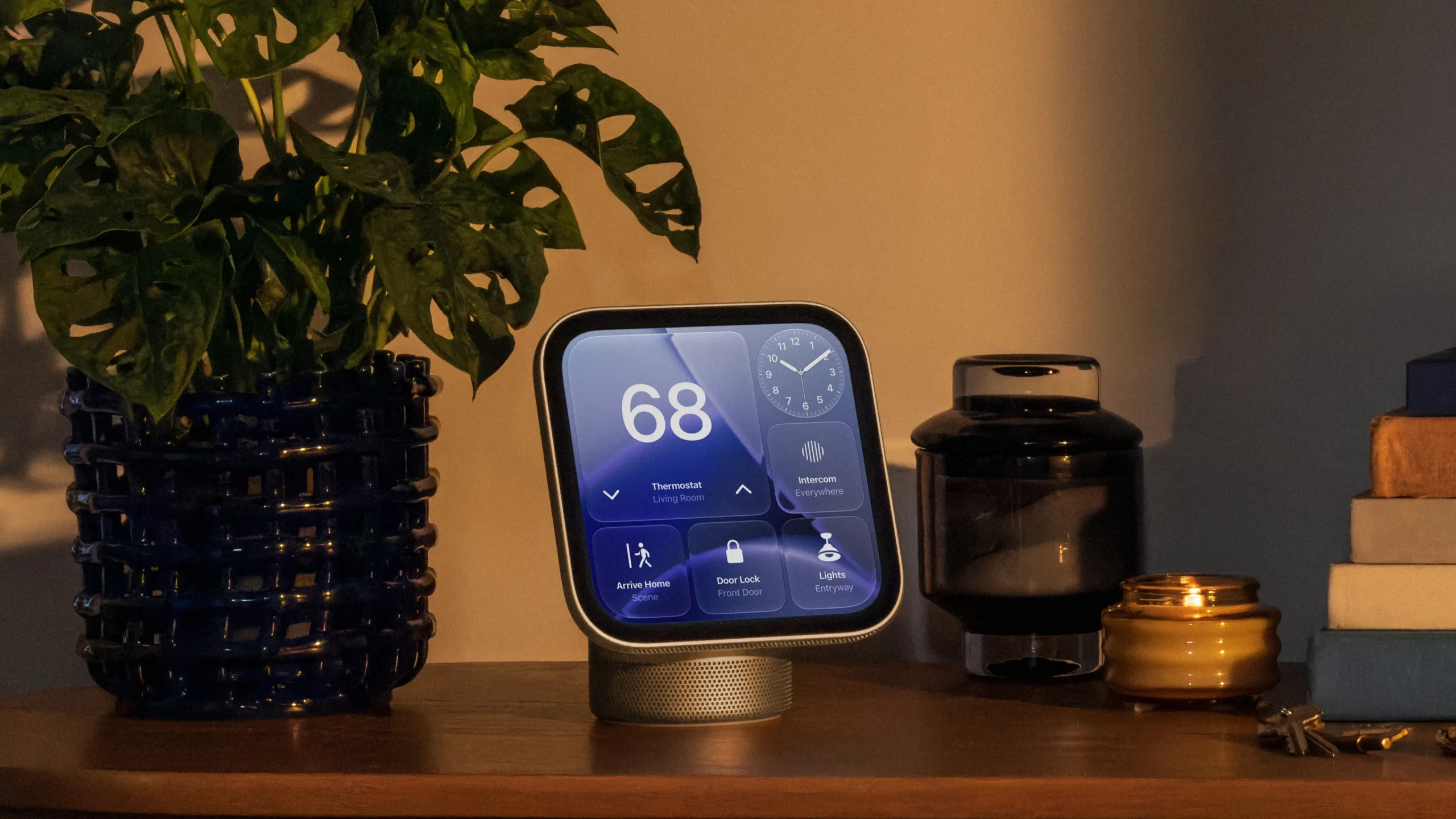
Meta's first frontier model wants to remember you
Meta's Muse Wonder brings active memory, Gemini 4 Argon gets a price jump, Apple shows HomeView, Bee takes on Plaud, and Figma writes rules for agents.
Ready to connect the dots?

Hi, I’m Emir, CEO and Co-Founder of Dotbite.
You have an interesting idea for a digital project and are looking for a sparring partner pushing the challenge through with you?
You’ve come to the right place.